AI smart glasses can deliver on their core functions, but their real-world value depends on how well they match your daily routine, use cases, and environment. They work particularly well for hands-free voice assistants, open-ear audio, quick photos, and real-time translation. However, limitations such as battery life, outdoor visibility, and the need for specific use cases mean they may not be equally useful for everyone.
Key Takeaways
- AI smart glasses combine cameras, microphones, speakers, and AI for hands-free use.
- Key features include translation, transcription, voice assistance, and photo/video capture.
- Models range from audio glasses to AI camera glasses and XR glasses.
- Privacy, battery life, and comfort are important factors when choosing AI smart glasses.
- They are especially useful for travelers, professionals, and content creators.
What Are AI Smart Glasses & How Do They Work?
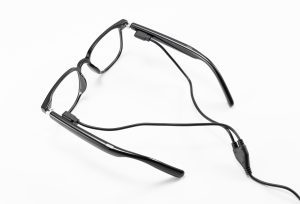
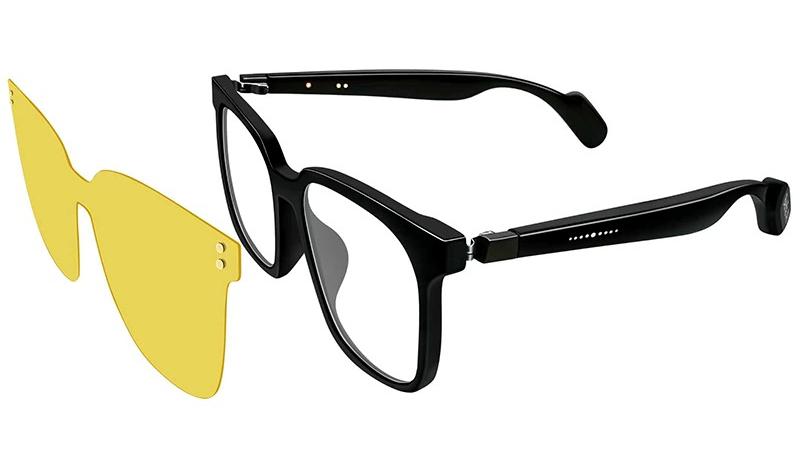
Smart glasses are wearable frames that look like standard eyewear, but integrate cameras, microphones, open-ear speakers, and on-device AI processing. Unlike regular prescription lenses, they respond to voice commands, capture media, and connect to a paired smartphone via Bluetooth.
Inside a typical pair:
- A dual-core Bluetooth chip handles wireless pairing and data transfer.
- Open-ear directional speakers direct sound to the wearer without blocking ambient noise.
- A small HD camera captures first-person perspective visuals.
- On-device AI processes voice commands; advanced features rely on cloud processing via a paired phone.
- Optional optical waveguides project AR visuals onto the lens for display models.
For example, Beifa AI Glasses weigh 29–32 grams, use Bluetooth 6.0, and integrate with ChatGPT and Microsoft large language models for voice interaction and translation. Their open-ear audio system features Dolby Atmos surround sound and AI noise reduction for clear calls in busy environments like airports and cafes.
What AI Smart Glasses Actually Do Well

These devices shine at frequent, hands-free tasks where pulling out a phone would be inconvenient or unsafe.
Everyday Hands-Free Assistance
Commuters can get directions, play podcasts, or send messages without touching their phone. Open-ear audio keeps wearers aware of their surroundings while listening to content, making them safer for walking and transit than in-ear headphones.
Real-Time Speech Translation
This is the standout feature for travelers and global teams. Beifa AI glasses support 165 languages via its companion app, delivering near-instant face-to-face translation. App-based noise reduction improves voice recognition in loud settings.
Meeting Transcription & Summaries
Built-in microphones capture conversations, and AI turns audio into text drafts, meeting minutes, key takeaways, and visual mind maps. Professionals can stay engaged in conversations instead of taking notes.
Hands-Free Photo & Video Capture
Content creators can start 4K first-person recording with a simple voice command, keeping both hands free for vlogs, tutorials, and on-location shooting.
Quick Voice Queries
Wearers can ask for weather, set reminders, or search for nearby businesses entirely hands-free, with responses delivered through open-ear speakers.
AI Smart Glasses vs. Regular Glasses
Regular glasses only correct vision or block sunlight. Smart glasses add electronic features on top of standard eyewear functionality.
| Category | Added Features vs. Standard Prescription Glasses |
|---|---|
| Audio glasses | Built-in microphones and open-ear speakers for hands-free calls and audio |
| AI glasses | Voice assistant, image/object recognition, translation, and hands-free photo/video |
| XR glasses | Built-in micro-OLED displays for AR overlays, subtitles, and spatial interfaces |
There are three main product tiers:
- Audio-only: Lowest price, focused on calls and audio playback.
- AI camera: Add photo/video capture, visual AI, and translation.
- XR display: Include waveguide displays for AR overlays, at a premium price and weight.
Are AI Smart Glasses Worth It?
Privacy Concerns
Camera-equipped smart glasses raise significant privacy risks. They can record strangers without consent, and incidents of unauthorized recording in public spaces have been widely documented.
Data policies are another consideration. Voice wake-word clips may be stored in the cloud for up to a year by default. Regulations like GDPR, BIPA, and CCPA set notice, consent, and data retention rules, but policies vary by brand. Always review a brand’s full data policy before purchasing for professional use.
Who Should Buy Them
AI smart glasses deliver the most value for:
- Sales professionals & executives: Hands-free meeting transcription and summaries cut down on admin work.
- Frequent travelers: Real-time translation across 165 languages simplifies international travel.
- Content creators: First-person photo/video capture works for vlogs and on-location content.
- Outdoor workers & athletes: Rugged sports models with IP67 rating deliver hands-free audio and tracking.
Who Should Wait
General-purpose buyers looking for an all-day, all-in-one computing device should wait until 2027 next-generation hardware. Battery life, display brightness, and processing power are all improving quickly, and mainstream value will improve significantly in the next generation.
FAQ
Do smart glasses need a smartphone?
Yes. They pair with a phone via Bluetooth, and the companion app handles voice processing and cloud AI features. Most functions require an internet connection. Beifa AI uses Bluetooth 6.0 for a stable, low-latency link.
How long does smart glasses battery last?
Mixed use delivers 4–10 hours per charge. Constant display use drops that to 2–4 hours. Audio-only and camera-focused models last longer. Many brands include portable charging cases to extend total battery life.
How accurate is smart glasses translation in noisy places?
Quiet environments deliver 85–92% accuracy on routine phrases. At restaurant-level noise (78 dBA), 4-mic beamforming models hit 92–95% accuracy, while basic models drop to 60–80%.
What privacy rules apply to smart glasses?
Public recording concerns are regulated by GDPR, BIPA, and CCPA, which require notice, consent, and data retention limits. Voice clips may be stored in the cloud for up to a year by default. Always review a brand’s data policy before purchasing.
Who benefits most from AI smart glasses?
Frequent travelers, sales professionals, content creators, and outdoor workers get the most hands-free value. General-purpose consumers will find better value waiting for next-generation hardware.